Macchi C.200 Saetta
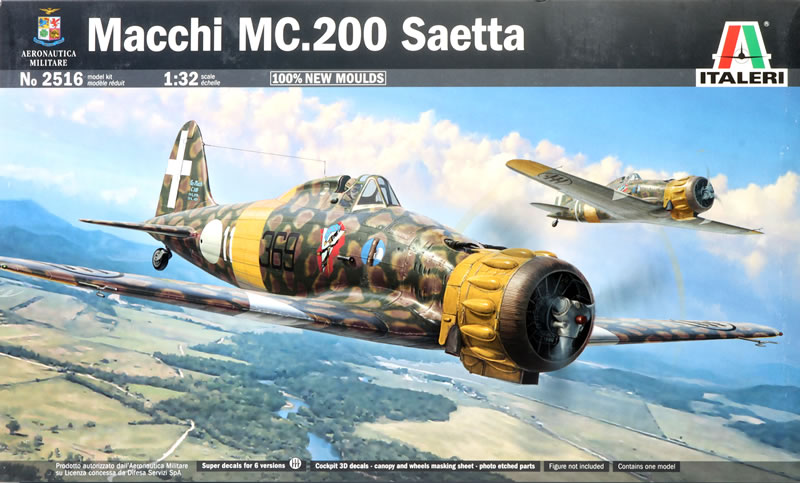
Italeri, 1/32 scale
S
u m m a r y : |
Description and Item No.: |
Italeri Kit No. 2516 - Macchi C.200 Saetta |
Contents and Media: |
247 parts in grey plastic (including four not used); seven parts in clear plastic (including two not used); 3d printed instrument panel (three parts); one brass photo-etched fret with 133 parts; length of black vinyl tube; length of fine copper wire; self-adhesive canopy and wheel masks; decal sheets covering six subjects. |
Price: |
£109.99 (£91.66 Export) plus postage from Hannants
and retailers online and in store worldwide |
Scale: |
1/32 |
Review Type: |
First Look |
Advantages: |
High level of detail; crisp and subtle surface textures; high quality photo-etched and 3d printed instrument panel upgrades; highly detailed engine. |
Disadvantages: |
A number of prominent ejector pin circles will need attention; 133 small photo-etched parts will demand some patience and care. |
Recommendation: |
The Macchi C.200 Saetta marked the Regia Aeronautica’s transition from the era of agile biplanes to modern monoplane fighters.
Rugged, manoeuvrable and reliable in harsh conditions, it served widely across multiple theatres and laid the technical foundation for Italy’s finest wartime fighters.
Italeri’s all-new 1/32 scale kit captures the character of this historically significant aircraft very well. Surface textures are restrained and convincing, the plastic is pleasant to work with, and the cockpit is impressively busy straight from the box. The combination of conventional plastic parts, a comprehensive photo-etched fret and a 3D printed instrument panel results in a package that offers plenty of detail without requiring a shopping list of aftermarket accessories.
Engineering is thoughtful too, with the firewall doubling as a wing spar to help establish the correct dihedral, and options such as separate control surfaces and dropped flaps adding individuality to the finished model.
The inclusion of six marking options — five featuring the distinctive Italian “poached egg” camouflage — ensures that the finished model will stand out in any display cabinet or model show table.
There are a few ejector pin marks that will require attention and the large number of photo-etched parts will required care in places, but these are minor considerations in the context of this very appealing kit.
Large-scale Italian fighters have long been underrepresented, so it is encouraging to see Italeri continue to expand their family of Macchi kits following the earlier Macchi C.202 Folgore and Macchi C.205 Veltro releases. With this Saetta now joining the stable, modellers have the opportunity to chart the evolution of Mario Castoldi’s elegant fighter lineage in 1/32 scale.
Highly recommended for fans of Italian aviation and for anyone looking for a distinctive subject with real presence on the shelf. |
Reviewed by Brett Green

The Macchi C.200 Saetta (Lightning Bolt) represented a watershed for the fighter arm of the Italian Regia Aeronautica. Designed in the late 1930s, it was Italy’s first modern monoplane fighter to enter large-scale service and replaced the biplanes that had equipped Italian units through much of the inter-war period.
During the mid-1930s the Italian Air Ministry recognised that fighters such as the Fiat CR.32 and Fiat CR.42 Falco would soon be obsolete against the new generation of high-performance monoplanes emerging across Europe. A requirement issued in 1936 called for a modern interceptor with retractable landing gear, improved speed and greater operational range. Macchi’s chief designer Mario Castoldi, already well known for his Schneider Trophy racing seaplanes, responded with a sleek all-metal low-wing monoplane powered by the air-cooled Fiat A.74 radial engine.
The prototype first flew on 24 December 1937. Early testing revealed dangerous spinning characteristics, but aerodynamic refinements solved these issues and the aircraft was cleared for production. The C.200 featured retractable undercarriage, stressed-skin construction and two fuselage-mounted 12.7 mm Breda-SAFAT machine guns. Interestingly, early aircraft retained an open cockpit, which many Italian pilots preferred for its excellent visibility.
Production began in 1939 and continued until 1943. In addition to Macchi, the aircraft was built by Breda and SAI Ambrosini, with total production reaching about 1,150 aircraft. The Saetta entered operational service shortly before Italy joined the war and quickly demonstrated its strengths as a rugged and manoeuvrable fighter.
The C.200 served widely in North Africa, the Mediterranean, Greece, the Balkans and on the Eastern Front.
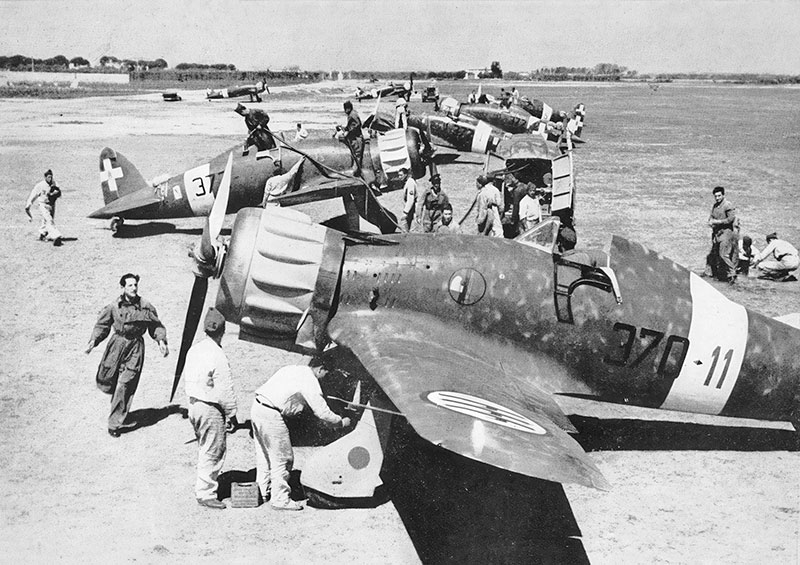
Although its maximum speed of around 500 km/h and armament of two heavy machine guns were modest compared to contemporary fighters such as the Hawker Hurricane, Curtiss P-40 Warhawk and Messerschmitt Bf 109, pilots appreciated its agility, strong construction and reliability in harsh conditions. As more powerful Allied fighters appeared, many Saettas were increasingly employed in fighter-bomber and ground-attack roles.
Although soon overshadowed by later designs, the C.200 laid the foundation for the outstanding Macchi C.202 Folgore and Macchi C.205 Veltro. In this sense, the Saetta was an important transitional fighter that introduced the Regia Aeronautica to the era of modern monoplane combat aircraft and paved the way for Italy’s most capable wartime fighters.
C.200 or MC.200?
For Macchi fighters of the Second World War, the historically correct designation is “C.200”, not “MC.200”.
The aircraft was produced by Aeronautica Macchi, but Italian military aircraft designations of the period used a single letter identifying the manufacturer, followed by the model number. In this case the letter “C” refers to the surname of the chief designer Mario Castoldi, whose designs formed the Macchi fighter series.
Therefore the official Italian designation used by the Regia Aeronautica was:
The “MC.” prefix is a post-war or anglicised convention that became common in books, modelling magazines and kit instructions to make the manufacturer clearer (Macchi = MC). However, it was not used in official wartime Italian documentation.
Italeri entered the large-scale Macchi market with their 1/32 scale C.202 Folgore in 2023.
This was followed in 2024 with a C.205 Veltro.
Now Italeri takes a short step back in time to deliver Regia Aeronautical fans with this 1/32 scale Macchi C.200 Saetta.
This is a mainly plastic kit but with significant multimedia content included.
The kit is packed in a large carboard box with a separate lid. Contents are 247 parts in grey plastic (including four not used), seven parts in clear plastic (including two not used), a 3d printed instrument panel (three parts), one photo-etched fret with 133 parts, one length of black vinyl tube one length of fine copper wire, and a decal sheet covering six subjects.
This is an all-new kit. Despite the family resemblance in places, this 1/32 scale Macchi C.200 is completely reworked.
To their great credit, Italeri has also addressed a number of issues with their previous 1/32 scale Macchi C.202 and 205 kits. These include re-designing the main landing gear legs and how they attach to the fuselage. With this new kit, the landing gear legs may be attached late in the build. Ejector pin marks are fewer, and the bulged and flattened main wheels are way more subtle that the previous Macchis.
I like the plastic very much. It is a medium grey colour and smooth to the touch. It appears to be neither too soft nor too brittle. Goldilocks would be delighted.
Surface textures are subdued. They are limited to major panel lines and a few rows of rivets to compliment these.

Fasteners, vents, scoops and other structural features are also represented.

There are a few prominent ejector pin marks that will have to be dealt with, in particular the cockpit sidewalls and undercarriage leg covers.
The ejector pin marks on the C.202 and C.205 kits have been fixed.
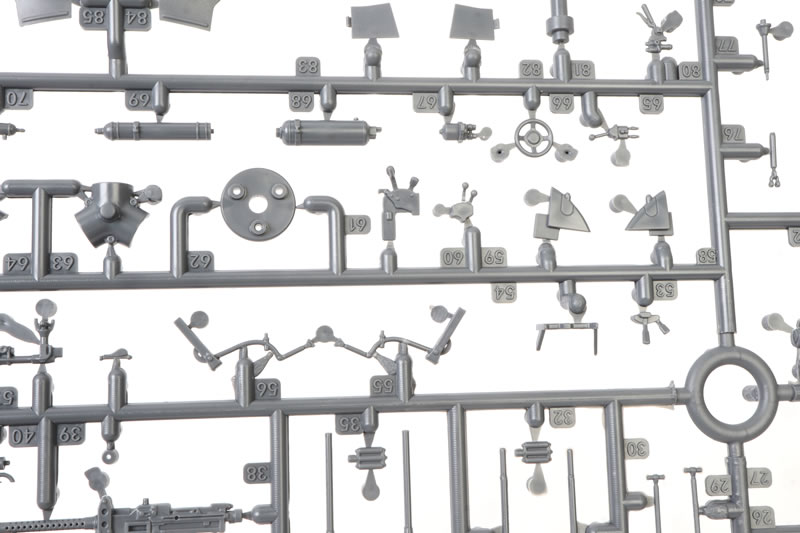
Construction commences with a highly detailed 77 part - plastic and photo-etch - cockpit.
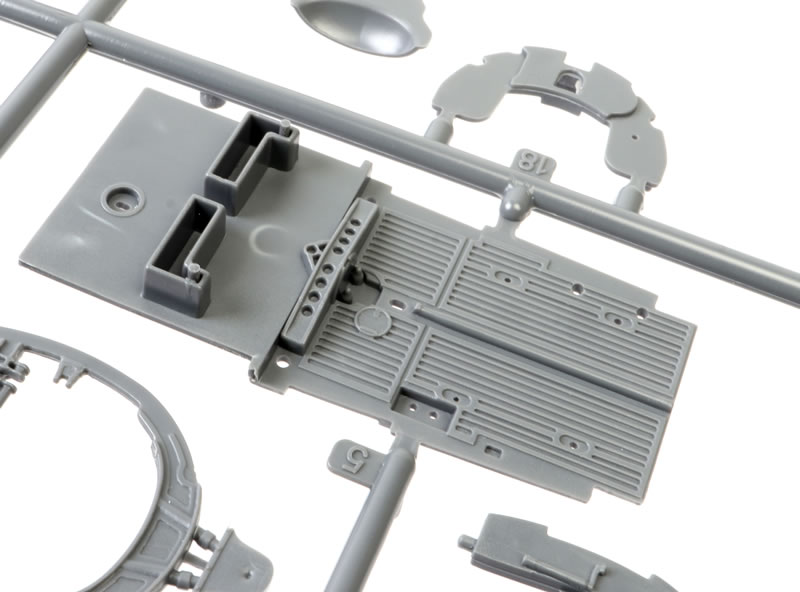
Sidewalls are separate parts with structural detail moulded in place.
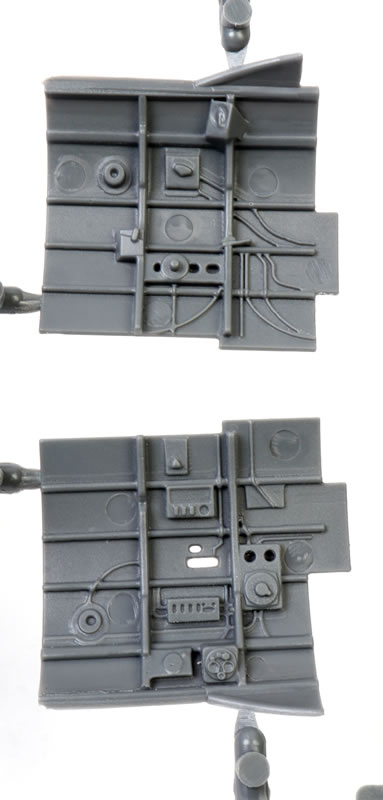
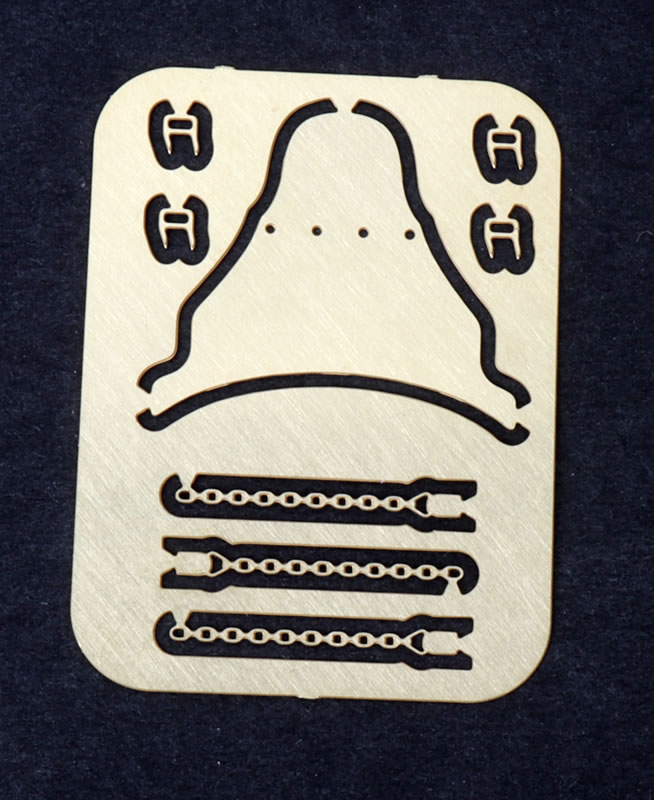
This is further enhanced with photo-etched parts. The seat is fitted with the typical Italian fighter harness - three straps and a chain that looks like an inplement of torture! The shoulder straps are moulded onto the separate backrest, while the chain, lower strap and upper shoulder strap attachments are photo-etched parts.
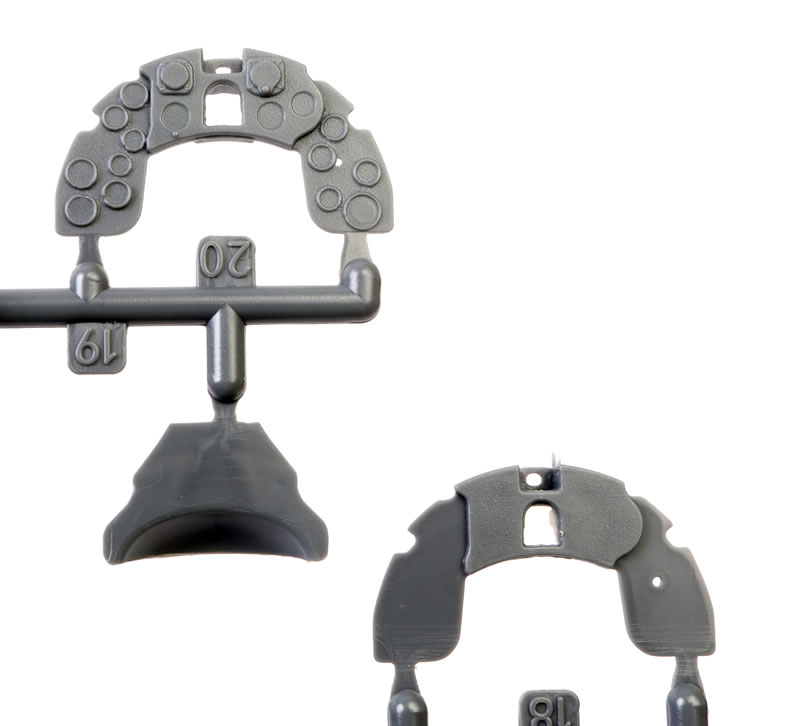
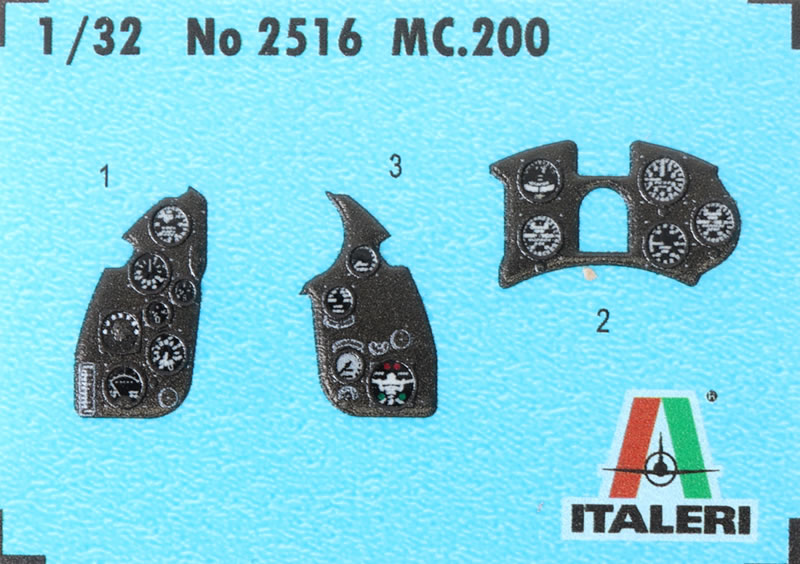
The 3d printed three-part instrument panel looks great and will be very easy to apply.
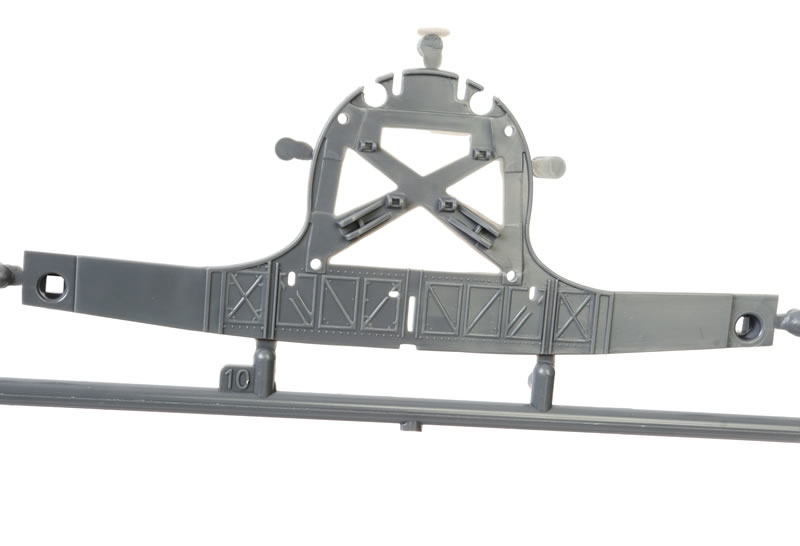
The firewall doubles as a wing spar to ensure the correct dihedral.
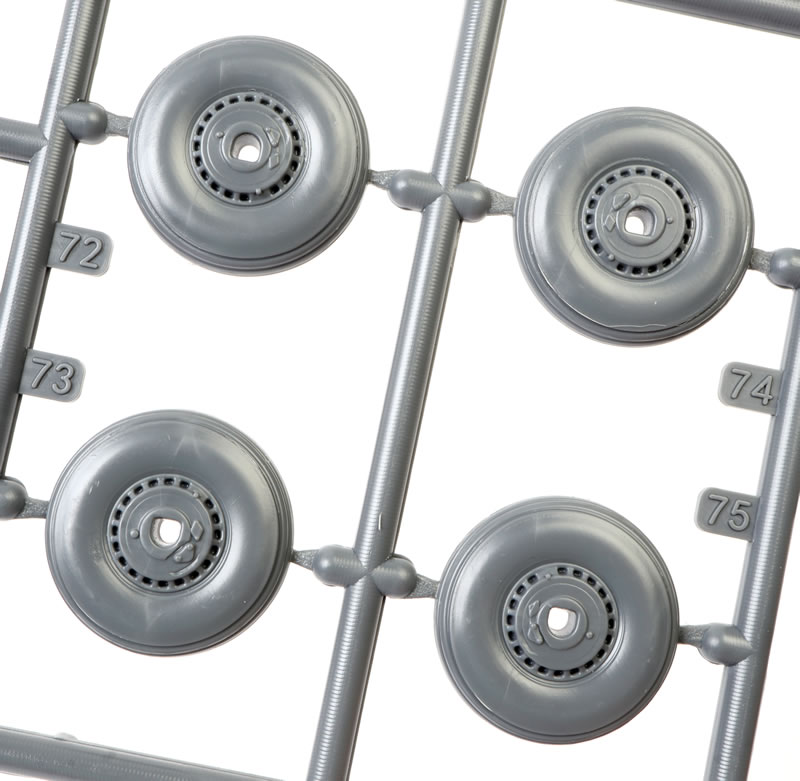
I am pleased to report that main wheels and the tail wheel are all-plastic. They are subtly flattened and bulged. No need for after-market replacements here.
We are offered the option to build the landing gear retracted.
The large photo-etched fret adds plenty of detail for the intake and outlet mesh, the undercarriage legs, bays, exterior and interior. In total, 133 photo-etched parts are included.
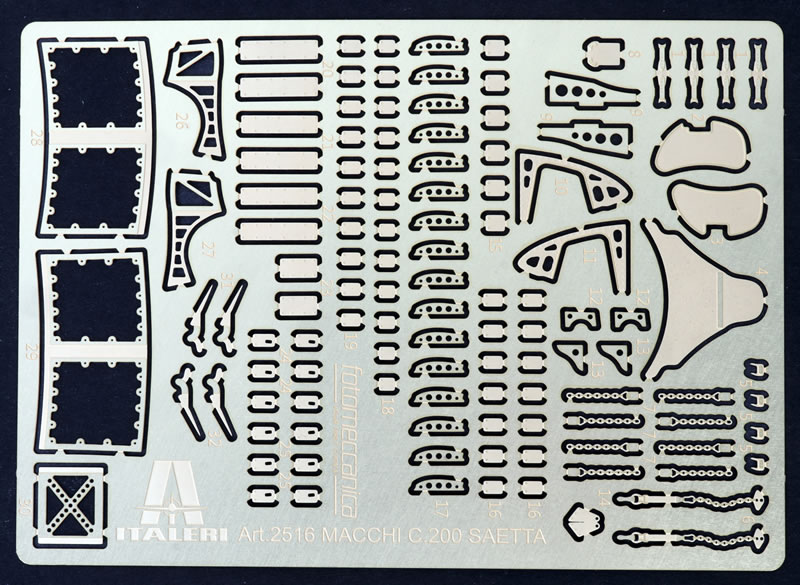
The photo-etched fret offers six tiny mass balances for the undersides of the ailerons, and six tiny tabs for the upper surfaces of the ailerons.
Control surfaces are separate and may be posed to taste. Fabric is represented by nicely restrained stretched fabric effect.
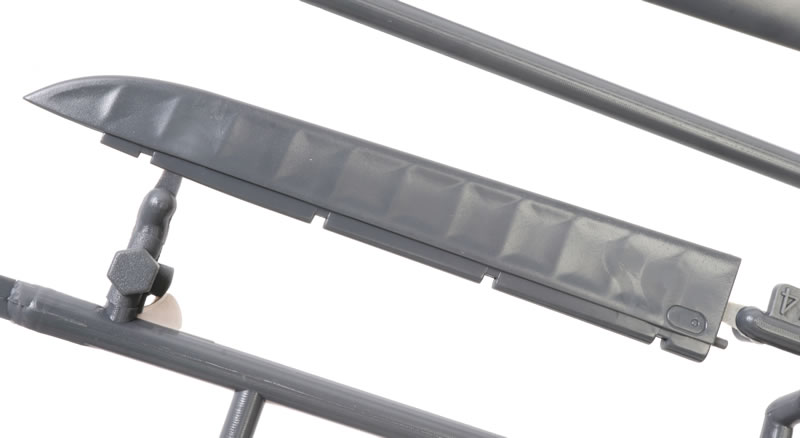
Flaps may be fixed in the dropped position too.
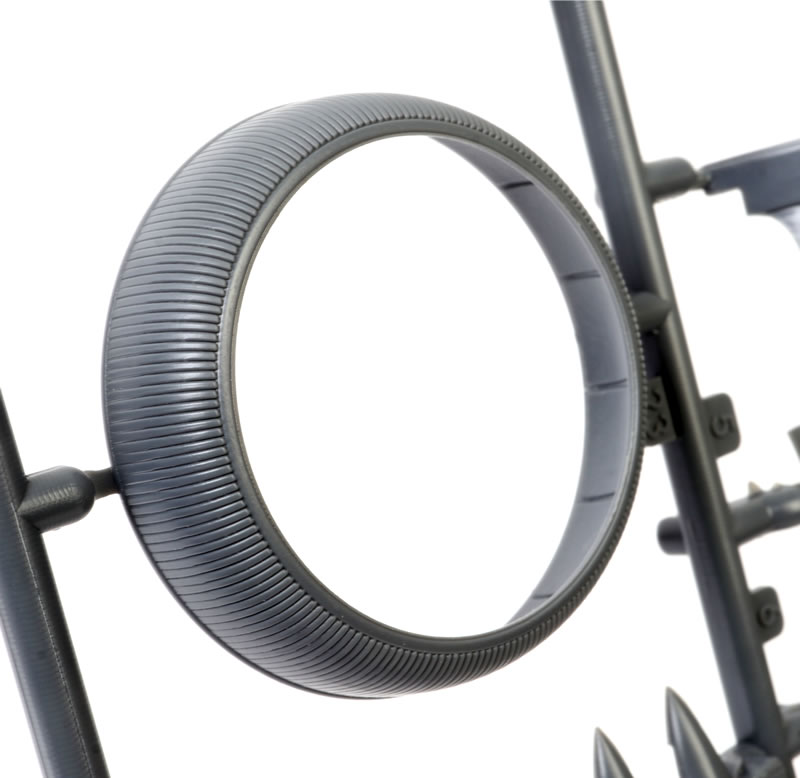
The engine is exquisitly detailed with cylinders, manifolds, exhausts and intricate engine mount framing.
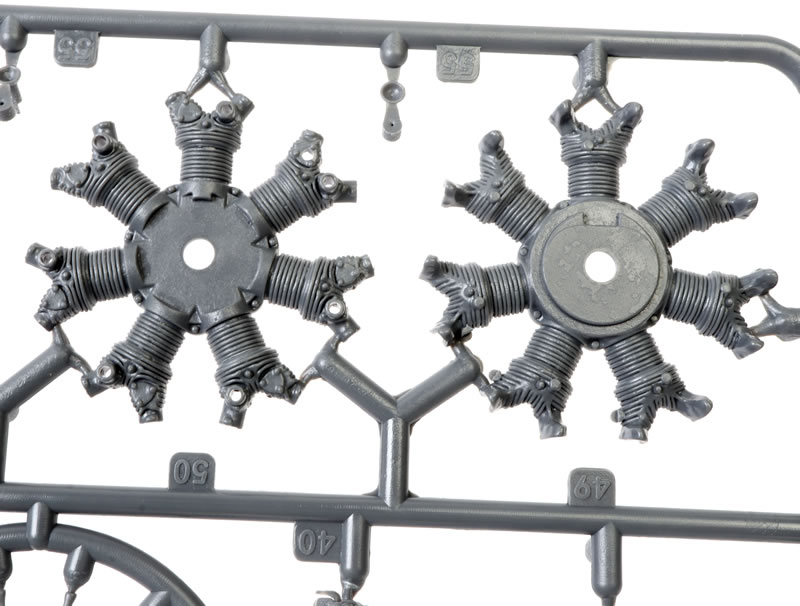
Multi-part moulding is very nicely done.
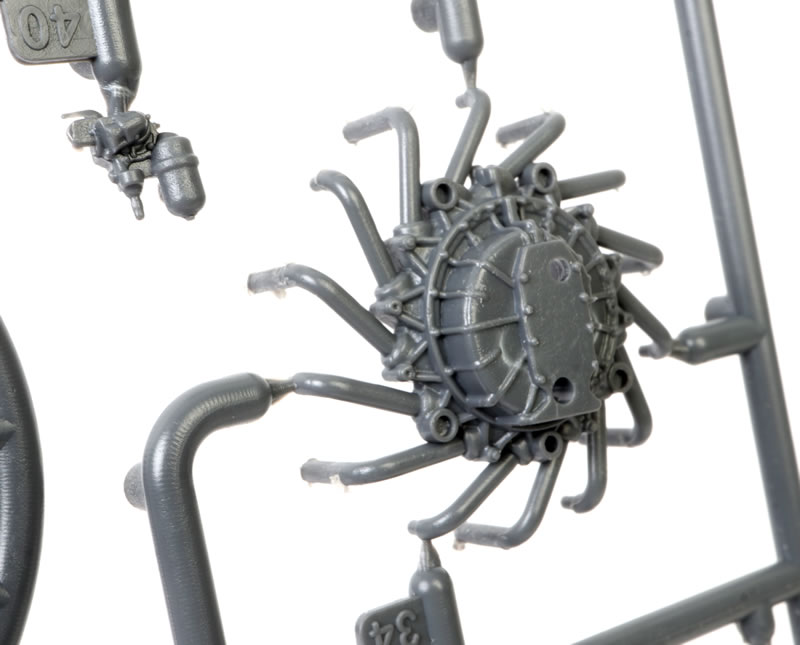
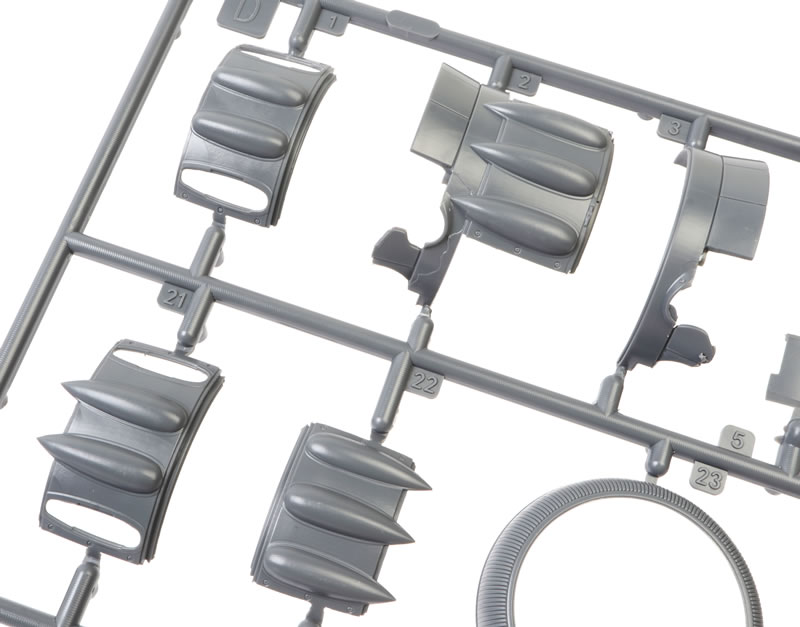
The multi-part cowling captures the essential shapes without undue complication.
Fine metal wire and vinyl tube add multimedia detail.

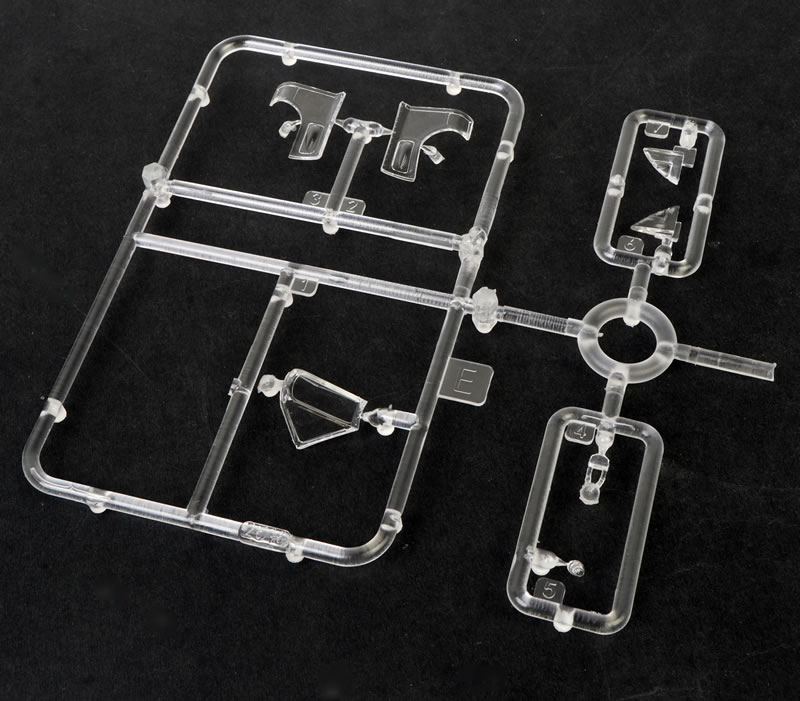
The canopy and windscreen is supplied in three parts that that will be fixed in place. The gunsight reflector is also attached to the clear sprue.
The inclusion of Kabuki paper self-adhesive die-cut masks is a thoughtful touch.
Markings
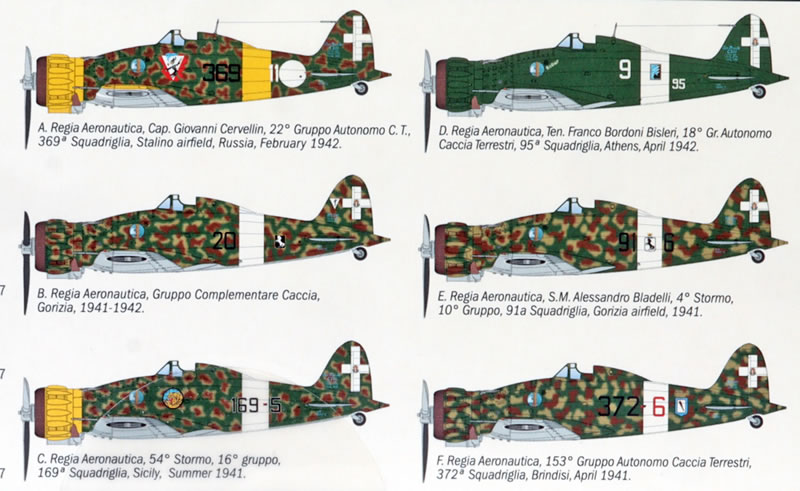
Markings are provided for six machines with typically striking Italian camouflage and markings.
The glossy decal sheet is printed perfectly by Cartograf.
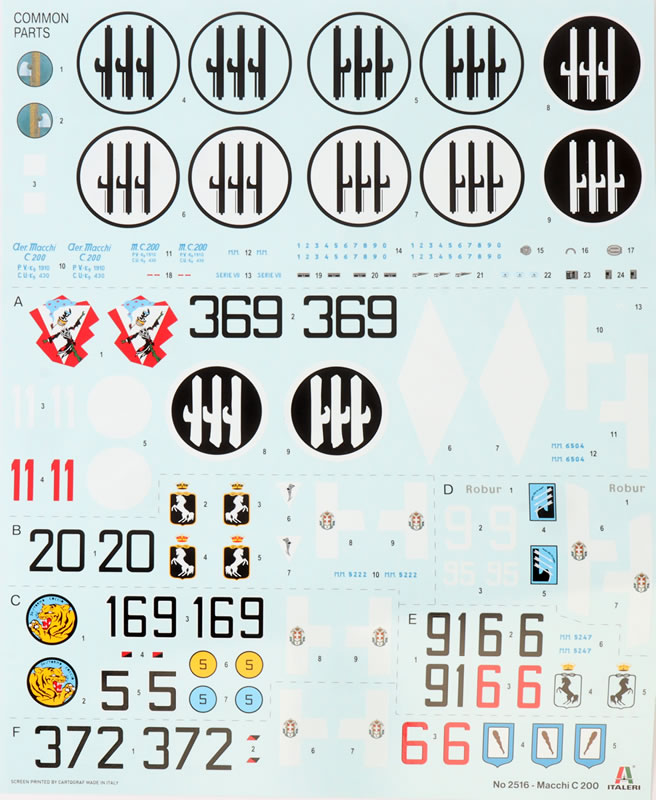
Five of the schemes wear the unique Italian "poached egg" camouflage.
The remaining option is finished in Dark Green upper surfaces and Light Grey below, just in case you don't feel up to the painting challenge!
The Macchi C.200 Saetta marked the Regia Aeronautica’s transition from the era of agile biplanes to modern monoplane fighters.
Rugged, manoeuvrable and reliable in harsh conditions, it served widely across multiple theatres and laid the technical foundation for Italy’s finest wartime fighters.
Italeri’s all-new 1/32 scale kit captures the character of this historically significant aircraft very well. Surface textures are restrained and convincing, the plastic is pleasant to work with, and the cockpit is impressively busy straight from the box. The combination of conventional plastic parts, a comprehensive photo-etched fret and a 3D printed instrument panel results in a package that offers plenty of detail without requiring a shopping list of aftermarket accessories.
Engineering is thoughtful too, with the firewall doubling as a wing spar to help establish the correct dihedral, and options such as separate control surfaces and dropped flaps adding individuality to the finished model.
The inclusion of six marking options — five featuring the distinctive Italian “poached egg” camouflage — ensures that the finished model will stand out in any display cabinet or model show table.
There are a few ejector pin marks that will require attention and the large number of photo-etched parts will required care in places, but these are minor considerations in the context of this very appealing kit.
Large-scale Italian fighters have long been underrepresented, so it is encouraging to see Italeri continue to expand their family of Macchi kits following the earlier Macchi C.202 Folgore and Macchi C.205 Veltro releases. With this Saetta now joining the stable, modellers have the opportunity to chart the evolution of Mario Castoldi’s elegant fighter lineage in 1/32 scale.
Highly recommended for fans of Italian aviation and for anyone looking for a distinctive subject with real presence on the shelf.
Thanks to Italeri for the sample
Review Text and Images Copyright © 2026 by Brett Green
Page Created 16 March, 2026
Last updated
18 March, 2026
Back to HyperScale Main Page
Back to Reviews Page

|
 Home
| What's New |
Features |
Gallery |
Reviews |
Reference |
Forum |
Search
Home
| What's New |
Features |
Gallery |
Reviews |
Reference |
Forum |
Search